Evaluation
Better Start Bradford is an evidence-led programme, developed according to research into what works in supporting expectant families and families with children aged 0-3.
Each of our projects has been selected based on existing evidence on their effectiveness, or because they can help improve our understanding of what works.
A key part of our programme is to undertake continuous and thorough evaluation of the impact our projects are having. This will help deliver lasting benefit not only for families in the Better Start Bradford area but also to share lessons more widely.
Born in Bradford's Better Start (BiBBS)
The Better Start Bradford Innovation Hub is a partnership between Better Start Bradford and Born in Bradford. It brings together leading researchers from the Universities of York, Bradford, Leeds and Leeds Beckett, to provide a centre for evaluation of the programme and find out what works.
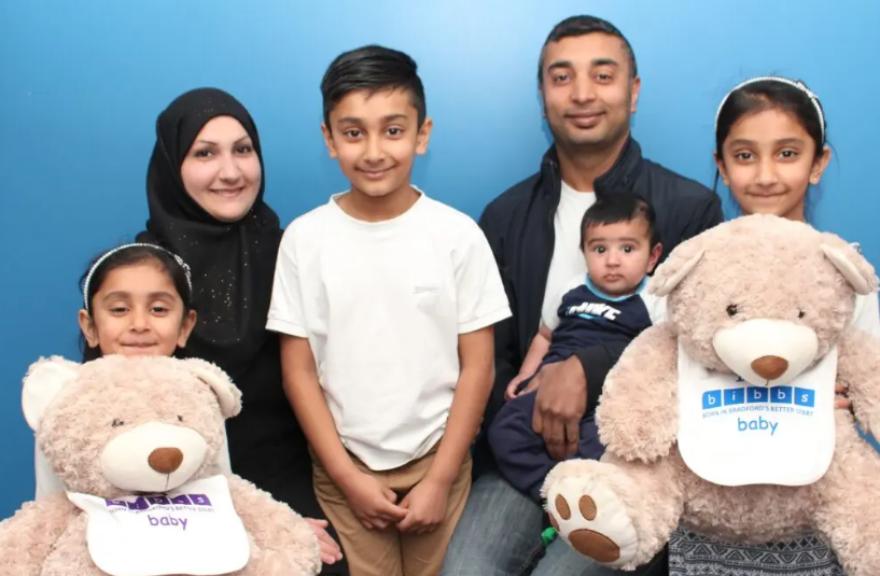
One of the key ways the Innovation Hub assesses the impact of Better Start Bradford projects is through the Born in Bradford's Better Start (BiBBS) study. Thought to be the world’s first ‘experimental’ birth cohort study, they have been recruiting mums and their babies and partners in the Better Start Bradford area since the start of the programme.
By linking data that is routinely collected about these families as their children grow, the Innovation Hub will consider how Better Start Bradford has influenced their development, health and wellbeing.
The national evaluation
The evaluation and learning for the national A Better Start programme, spanning five sites including Bradford, is currently being undertaken by NatCen.
They are looking at if, and how A Better Start has improved children’s lives and finding out about families’ experiences of the programme.
You may also like to look at...
We have over 15 amazing projects for expectant families and families with children aged 0-3 in Bowling and Barkerend, Bradford Moor and Little Horton. Find the right one for you or a family you're working with.
Find out what's new at Better Start Bradford and read real-life, heartfelt, stories from families and volunteers who have benefited from our work.